
The Psychology Behind Great Logo Designs
Introduction: More Than Just a Pretty Design
In 2025, a logo is not just a visual symbol — it’s a psychological trigger that influences how people feel about your brand. Every color, shape, and font choice in a logo communicates a specific message and emotion to your audience. Understanding the psychology behind logo design helps brands connect more deeply with their customers and stand out in an increasingly competitive digital marketplace.
Let’s explore how design elements impact perception and how you can use them strategically to build stronger brand identity.
1. 🎨 The Power of Color Psychology
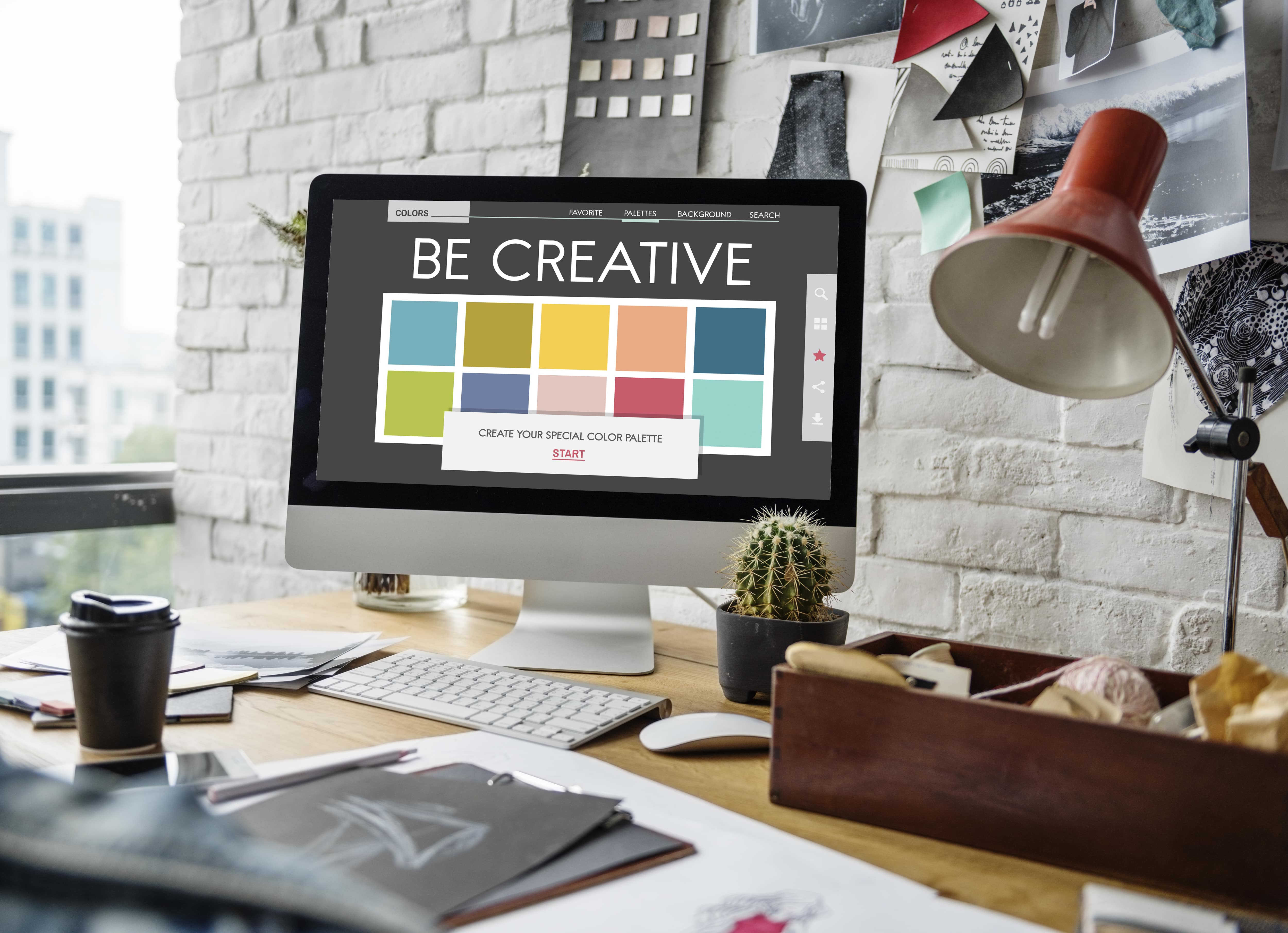
Colors evoke emotions instantly and can influence buying decisions within seconds. Choosing the right color palette for your logo can make or break your brand perception.
- Red: Passion, excitement, and urgency — ideal for brands that want to grab attention.
- Blue: Trust, reliability, and calm — commonly used by finance, healthcare, and tech companies.
- Yellow: Optimism, creativity, and warmth — perfect for brands that aim to feel friendly and approachable.
- Green: Balance, nature, and growth — great for eco-friendly or health-focused businesses.
- Black & White: Simplicity, power, and luxury — often used for premium or minimalist brands.
2. 🔺 The Role of Shapes in Branding
Shapes in logos aren’t random — they have symbolic meanings that influence how people perceive your business.
- Circles: Represent unity, harmony, and inclusivity — seen in brands like Pepsi and Target.
- Squares & Rectangles: Stability, strength, and professionalism — used by brands like Microsoft and BBC.
- Triangles: Direction, innovation, and energy — often used by tech or engineering companies.
- Organic or Abstract Shapes: Convey creativity, flexibility, and uniqueness.
Choosing the right shape helps communicate your brand’s values and personality at first glance.
3. ✍️ Typography: The Silent Communicator
Fonts speak volumes about your brand before a single word is read. The typography in your logo sets the tone of your brand’s voice.
- Serif Fonts: Classic and trustworthy — often used by luxury or established brands.
- Sans-serif Fonts: Modern, clean, and approachable — ideal for tech startups or creative agencies.
- Script Fonts: Elegant and emotional — great for brands targeting artistic or personal connections.
A well-balanced combination of typography and color creates a logo that is not only memorable but emotionally resonant.
4. 💡 Emotional Branding: Making People Feel Connected
The best logos tell a story. They trigger emotions that make people feel something — trust, excitement, comfort, or inspiration. This emotional connection fosters brand loyalty and helps your business stay top-of-mind.
Think of how Apple’s minimal logo symbolizes innovation and simplicity, or how Coca-Cola’s red script font evokes happiness and nostalgia.
Conclusion: Design That Speaks to the Mind and Heart
A great logo is both strategic and emotional. It should visually represent your brand’s personality while subconsciously influencing how people perceive and remember you.
In 2025, brands that understand the psychology behind logo design have the power to create stronger, more authentic connections that go beyond visuals — they build trust, recognition, and loyalty.
Need a Logo That Tells a Story?
Actionable Tip: Before designing your logo, identify your brand’s personality traits and emotions you want customers to feel. Then choose colors, shapes, and fonts that align perfectly with that message.
Your logo isn’t just a design — it’s your brand’s first conversation with the world.



CodeCrafters helps businesses grow through modern websites, powerful digital solutions, and creative branding. Delivering quality, speed, and results—every time.
Quick Links
COPYRIGHT © 2025 codecrafter. All Rights Reserved. Designed by HTML Codex